Islington Council parking permits for removals (N5): a practical guide for moving day
If you are moving house or relocating a flat in N5, the parking side of the job can make or break the day. Islington Council parking permits for removals (N5) are not the glamorous part of moving, but they are often the difference between a smooth unload and a stressful scramble for space outside your front door. When the van turns up, boxes are heavy, neighbours are coming and going, and every extra minute spent circling the block can feel painfully long.
This guide explains the moving permit side in plain English: why it matters, how it usually works, what to check before you book a vehicle, and where removals teams tend to trip up. You will also find a practical checklist, a comparison table, and some realistic examples from day-to-day moving situations in Islington. Nothing fluffy. Just the stuff that helps on the day.
Why Islington Council parking permits for removals (N5) Matters
In a busy area like N5, parking is rarely generous. Streets can be narrow, bays may be controlled, and loading space can disappear fast. If your removals vehicle cannot stop close enough to the property, the whole process slows down. That means more carrying, more risk of damage, and more pressure on the people doing the lifting. And yes, more stress for you as well.
For a removal team, parking is not just a convenience issue. It affects timing, safety, and whether the job can be done efficiently. A permit or the right parking arrangement can help create a realistic loading area near the property, which matters when moving bulky furniture, fragile boxes, or multiple trips of household items. If you are using a man and van service or arranging a larger vehicle through removal truck hire, parking becomes even more important because vehicle size and street layout need to work together.
Let's face it: moving day is already full of little surprises. A parking issue should not be one of them. The better you plan around local restrictions, the more likely your move stays calm, controlled, and on time.
How Islington Council parking permits for removals (N5) Works
Removal parking permissions in Islington are usually about making sure a vehicle can load or unload lawfully near a property. The exact process can vary depending on the street, bay type, time of day, and whether any local restrictions apply. In many cases, the key question is simple: can the vehicle stop where it needs to stop without causing a parking contravention?
For removals, there are often a few moving parts to consider:
- whether the street has resident bays, pay-and-display bays, single yellow lines, or loading restrictions
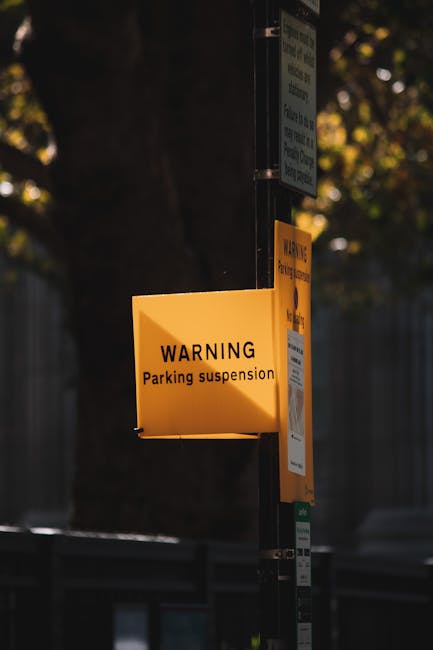
- whether a specific parking suspension or dispensation is needed
- how long the vehicle needs to remain outside the property
- whether the moving van or lorry can physically fit on the street
- what time the move is taking place, especially in a controlled parking zone
In practice, people often discover that the permit issue is less about the word "permit" and more about the exact parking arrangement. A smaller vehicle, such as one used for man with van moves, may have easier access than a larger lorry. But even a compact van can be a problem if the street is tight or already crowded.
If you are moving a home and packing has already taken over the hallway, the last thing you need is a vehicle parked half a block away. Good parking planning keeps the move moving, which sounds obvious, but somehow still gets overlooked all the time.
Key Benefits and Practical Advantages
People usually think of parking permits as admin. Fair enough. But for removals, they offer very real practical advantages.
- Shorter carrying distances: heavy boxes and furniture can be moved faster when the vehicle is close.
- Less chance of damage: fewer trips across pavements and road edges usually means fewer bumps and knocks.
- Better time control: when the vehicle can stop nearby, loading and unloading is far more predictable.
- Lower stress: you avoid that awkward last-minute "where on earth can we park?" moment.
- Cleaner coordination: everyone involved, from the driver to the helpers, knows where to work from.
There is also a commercial benefit if you are moving a business. For office relocations, delays are expensive because staff downtime and missed access windows can create knock-on problems. If you are planning a business move, it can be worth reviewing commercial moves or office relocation services alongside the parking plan so the whole project is aligned from the start.
One practical detail people miss: a permit helps the day feel organised. That sounds small, but in removals, organisation is half the battle. Half the battle, maybe more.
Who This Is For and When It Makes Sense
This topic is relevant to anyone moving in or out of N5 where parking is constrained, but it is especially useful for:
- homeowners and tenants moving from flats or terraced streets
- people using a professional removals team
- small businesses relocating from compact premises
- landlords arranging an end-of-tenancy clearance
- households needing a larger truck for furniture and boxes
It also makes sense if you are moving a few heavy items rather than an entire home. A single sofa or wardrobe can still need sensible roadside access. In those cases, services like furniture pick-up can be more efficient when the vehicle can stop close to the entrance.
If you are doing a full family move, the parking issue becomes more important again. More items, more loading time, more people coming and going, more chance of congestion at the kerb. A well-organised home moves plan usually starts with access, not boxes.
Truth be told, if your building has awkward access, steep steps, or no lift, a permit or parking arrangement can be the quiet hero of the whole job.
Step-by-Step Guidance
Here is a practical way to approach removals parking in N5 without overcomplicating it.
- Check the street outside both properties. Look at signs, bay markings, and any loading restrictions. Do not assume the space outside is available just because it looks empty.
- Work out the vehicle size early. A small van and a removal truck need very different amounts of space. If you are unsure, choose the vehicle after checking access, not before.
- Estimate loading time honestly. Two boxes and a chair are one thing. A full flat with awkward furniture is another. Be realistic. It saves hassle later.
- Confirm whether parking permission is needed. Sometimes a formal arrangement is needed; sometimes a standard paid bay is enough. The exact answer depends on the location and the restriction type.
- Build in a buffer. Streets can fill up, neighbours may be parked tightly, and unloading usually takes longer than people expect.
- Tell everyone involved. Your removals team, helpers, and any building manager should know the access plan.
- Prepare the property entrance. Keep hallways clear, protect floors where needed, and make sure doors can stay open safely during loading.
If you are combining moving and packing support, a service such as packing and unpacking services can reduce the time the vehicle needs to stay outside. That small efficiency can make a bigger difference than people expect.
A good move is often just a series of small sensible decisions. Nothing flashy. Just fewer mistakes.
Expert Tips for Better Results
From an operator's point of view, the best moving days are the ones where the access plan is boring. Boring is good. Boring means no surprises.
- Book the vehicle for the street, not just the volume. A larger van may technically fit your items, but if the road is tight, a smaller vehicle can be faster overall.
- Choose the loading point carefully. The closest legal space is usually better than the nearest possible space that risks a fine.
- Pack heavy items first. If the van needs to be moved or repositioned, having the bulky essentials ready helps the crew work quickly.
- Label boxes clearly. You may only get one decent loading window. Clear labels reduce sorting time on arrival.
- Think about the weather. A wet London morning can make loading slower, especially if the pavement is slippery and furniture has to be carried farther.
Here is a small but useful observation: many moving delays happen not because of the permit itself, but because the team discovers the access issue after the truck has already arrived. That is the painful bit. A five-minute check the day before can save half an hour on moving day.
If the job is a larger house clear-out or full property move, it is often worth looking at house removalists or a bigger vehicle option like moving truck depending on how much needs to be carried and how narrow the road is.
Common Mistakes to Avoid
Parking mistakes are common because people assume street parking works the same everywhere. It does not. Not even close.
- Leaving it until the morning of the move. By then, you have no room for error.
- Assuming a van can stop anywhere for "just a minute." In controlled areas, that minute can still be a problem.
- Booking the wrong vehicle size. Too big, and access becomes awkward. Too small, and you end up doing extra trips.
- Ignoring the return trip. It is easy to plan the outbound loading but forget the parking needed at the destination.
- Not checking the building layout. A permit is helpful, but a very tight entrance or flight of stairs can still slow things down.
- Using assumptions instead of checks. "There was space last time" is not a moving strategy.
Another common one: people focus only on the van and forget the people carrying the items. If the walk from the vehicle to the front door is long, the team tires more quickly, and small items start to get left behind in the rush. That is how moves get messy. Quietly messy, but messy all the same.
Tools, Resources and Recommendations
You do not need a complicated toolkit to manage removals parking well, but a few basics help a lot:
- phone camera: take pictures of bay signs and street markings so you can review them later
- tape measure: useful for checking whether furniture or a truck will fit through access points
- moving labels: helps keep the unloading process orderly
- floor protection: especially useful in narrow hallways or older properties
- checklist: simple, but hard to beat for keeping moving day under control
If you are unsure which kind of vehicle suits your property, comparing options is smart. A man with van arrangement may be ideal for a small one-bedroom flat, while a larger load might fit better into removal truck hire. In some cases, a mid-size vehicle strikes the best balance between access and capacity.
For people planning a move and wanting to keep it straightforward, the best next step is to look at the wider service picture too. A good move is rarely just one service. It is usually parking, packing, lifting, transport, and timing all working together. If you want to explore the full range, the site's main service hub is a sensible starting point.
Law, Compliance, Standards and Best Practice
Parking for removals sits within ordinary road and parking rules, so the main principle is simple: do not block traffic, do not assume loading is automatically allowed, and do not treat a quiet street as a free-for-all. Local restrictions can apply even when the road looks empty. That is the bit people sometimes miss.
Good practice usually means:
- checking signage before the vehicle arrives
- allowing enough time for loading and unloading
- keeping pavements clear where possible
- making sure the driver understands any restrictions
- planning for both collection and delivery points
For business moves, there may also be building rules, landlord requirements, or access windows to respect. That is especially relevant in shared office buildings and managed blocks. If you are handling workplace removals, the practical side of the move should line up with the operational side. Otherwise, you end up with a truck outside and nobody quite ready inside. Annoying, and avoidable.
The safest approach is always to treat parking and access as a core part of the move plan, not an afterthought. That standard applies whether you are moving a studio flat or a full office floor.
Options, Methods and Comparison Table
Different moves call for different approaches. Here is a straightforward comparison that may help you choose the right setup for N5.
| Option | Best for | Parking impact | Typical advantage | Possible drawback |
|---|---|---|---|---|
| Man and van | Small flats, lighter loads, short local moves | Usually easier to place on tight streets | Flexible and efficient | May need extra trips for larger jobs |
| Removal truck | Large homes, bulky furniture, whole-property moves | Needs more careful access planning | Higher capacity in one journey | Can be harder to park in narrow roads |
| Furniture pick-up service | Single items or a few pieces | Often manageable if timed well | Simple for one-off collections | Not ideal for full moves |
| Full home removals team | Families, bigger properties, busy move days | Needs the most coordinated access plan | Hands-off support and structure | Requires clearer scheduling |
If you are still deciding, the parking conditions around the property may be the deciding factor, not just the number of boxes. In a place like N5, that is often the honest answer.
Case Study or Real-World Example
Here is a realistic moving-day scenario. A couple in a N5 flat were moving into a nearby house. They had a sofa, a bed, several heavy boxes, and a few awkward items that had to come down a narrow staircase. At first, they assumed the van could park directly outside because there was a gap on the street the evening before.
On the morning of the move, that gap had gone. A resident's car had returned, another vehicle had taken the remaining space, and the road felt narrower than it had the night before. The team had to stop a little farther away and carry everything by hand from a less convenient spot. Nothing disastrous happened, but the job took longer and everybody felt it.
For the return journey, they planned the destination parking properly. That small improvement made a big difference. The unload was smoother, the heavier items were handled more carefully, and the day finished with less tension. Honestly, that is what good parking planning does: it does not make moving fun, but it stops it becoming a headache.
In a commercial setting, the effect can be even stronger. If office equipment, filing, and desks are involved, every unnecessary delay creates pressure. In those cases, coordinating parking with the move schedule is just sensible business.
Practical Checklist
Use this quick checklist before moving day. It is simple, but it catches a lot of avoidable issues.
- Confirm the moving date and time for both collection and delivery
- Check street signs outside both properties
- Photograph bay markings and restrictions if anything looks unclear
- Decide whether a small van, larger van, or truck is most suitable
- Estimate how long loading and unloading should take
- Tell the removals team about narrow roads, height restrictions, or stairs
- Keep hallways, lifts, and entrances clear
- Label boxes so the unload is faster
- Pack essential items separately so they are easy to find
- Build in a little extra time for parking and access changes
Practical summary: if the street layout, vehicle size, and loading time all line up, the move usually feels easier from the first box to the last chair. If one of those things is off, the whole day can wobble. Not always dramatically, but enough to be annoying.
Get a free quote today and see how much you can save.
Conclusion
Islington Council parking permits for removals (N5) are really about one thing: making your move workable in a busy London neighbourhood. Once the vehicle can stop where it needs to stop, everything else becomes simpler. Loading is faster, handling is safer, and the day feels much more under control.
If you are planning a move in N5, treat parking as part of the removal strategy from the start. Check access, choose the right vehicle, allow time for loading, and keep the plan realistic. That kind of preparation may not sound exciting, but it pays off on the day when the boxes are stacked by the door and the clock is ticking.
And in the end, that calm little feeling when everything fits and the van pulls away on schedule? That is worth a lot.
Frequently Asked Questions
Do I need a parking permit for removals in N5?
It depends on the street, the restrictions in place, and how long the vehicle needs to stay. Some moves can work with existing legal parking space, while others need a more specific arrangement. Always check the road signs and plan early.
Can a removals van stop outside my house for a short time?
Sometimes yes, but not always. A short stop may still be restricted if the bay type, time of day, or loading rules do not allow it. Do not rely on guesswork, because parking enforcement can still apply even during a quick unload.
What is the difference between a permit and a parking suspension?
In simple terms, a permit usually allows a vehicle to park under certain rules, while a suspension may temporarily reserve or restrict a specific space or bay. The exact setup depends on the location and the council's process.
Should I arrange parking for both the old and new address?
Yes, if possible. It is easy to focus on the collection side and forget the destination. In reality, both ends matter. A smooth unload at the new property can be just as important as getting out of the old one.
Is a man and van easier to park than a larger removal truck?
Usually, yes. Smaller vehicles are often easier on narrow streets, but you still need to check the local parking rules. A smaller van does not automatically solve every access issue, especially in controlled parking zones.
How far in advance should I plan parking for a move?
As early as you can. The more notice you have, the easier it is to match the vehicle, access, and moving time. Leaving it to the last minute is where problems start to stack up.
What if there is no space directly outside the property?
Then you need a backup plan. That may mean using a nearby legal loading area, choosing a different vehicle size, or allowing more time for carrying items. It is better to build that into the plan than discover it on moving morning.
Does parking matter for small moves too?
Absolutely. A few heavy pieces can still need close access, especially if there are stairs, tight hallways, or fragile items. In some cases, parking matters more for a small move than a big one because the space is so limited.
What should I tell my removals team about the street?
Tell them about bay signs, narrow sections, height restrictions, loading access, staircases, and any times when parking gets busy. A quick note about the street can save a lot of friction later. It really can.
Is it better to use a packing service if parking is limited?
Often, yes. Faster packing can reduce the time the vehicle needs to stay outside, and a more organised load usually makes unloading quicker too. If you want the day to run more smoothly, packing and unpacking services can be a smart addition.
Can parking issues delay an office move?
Definitely. Office moves are especially sensitive because staff, equipment, and access times all need to line up. If the truck cannot park close enough, the whole schedule can drift. That is why office relocation services often put parking planning near the top of the checklist.
Where should I start if I want help with the whole move?
Start by matching the service to the size of the move and the parking conditions. For some households, a small local team is enough. For others, a fuller setup makes more sense. If you want to compare options and explore the right fit, the site's home moves and house removalists pages are useful places to begin.