N5 Victorian flat move: a real job breakdown
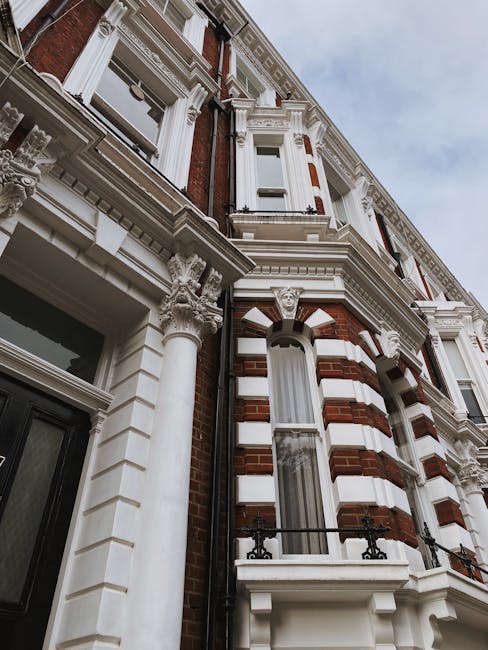
If you are planning an N5 Victorian flat move: a real job breakdown is probably what you need before anything else. Not the glossy version. The real one. The one that tells you how tight the stairs are likely to feel, why parking becomes a puzzle, what gets delayed first, and where the hidden time drain usually shows up. Victorian flats in N5 can be lovely, but let's face it, they were not built with king-size mattresses, awkward sofas, and modern moving vans in mind.
This guide walks through the move from the ground up: how it works, what makes it trickier than a standard flat move, how to avoid common mistakes, and what practical preparation actually saves time. You will also find a step-by-step plan, a realistic comparison of moving options, a checklist, and a few small but important details that people often miss until the van is already outside.
One thing first: every Victorian property is different. Some have generous halls and manageable landings. Others feel like they were designed by someone who had never seen a wardrobe. The point here is not to scare you. It is to help you plan properly so the day runs smoothly enough that you can breathe a bit easier.
- Why this kind of move matters
- How the move usually works
- Benefits and practical advantages
- Who it is for
- Step-by-step guidance
- Expert tips
- Common mistakes to avoid
- Tools, resources and recommendations
- Law, compliance and best practice
- Options and comparison
- Real-world example
- Practical checklist
- Conclusion
- Frequently asked questions
Why N5 Victorian flat move: a real job breakdown Matters
Victorian flats in N5 often sit in older buildings with narrow stairwells, split-level layouts, high ceilings, bay windows, and slightly unpredictable access. That combination changes almost everything about a move. A job that looks simple on paper can turn into a careful carry, a parking negotiation, and a bit of tactical furniture dismantling before the first box even leaves the hallway.
Why does that matter? Because the biggest moving problems are rarely dramatic. They are usually small things stacking up: a sofa that will not turn, a parking bay that is too short, a hallway that is just a little too narrow, or a front door that opens in the wrong direction. In a Victorian flat, those details become the job.
There is also the practical side of timing. Older flats often have neighbours close by, shared entrances, and limited space for staging items. If the move is not planned with the building layout in mind, delays follow. Not always huge ones, but enough to leave everyone a bit frazzled by mid-afternoon. And nobody wants to be hauling a chest of drawers while someone else is politely waiting to get past with a pram.
For N5 moves, the real value of a proper breakdown is clarity. You can see the bottlenecks before they happen, decide what needs dismantling, and work out whether you need a man and van service, a larger removals team, or extra packing support. That clarity saves energy and, usually, a few surprises too.
How N5 Victorian flat move: a real job breakdown Works
At a practical level, a Victorian flat move in N5 usually follows a similar rhythm, but the details matter far more than the headline. Here is the shape of it.
First comes assessment. A mover will want to know about stairs, floor level, lift access if any, doorway widths, street parking, loading distance, and whether bulky items need to be taken apart. In our experience, the difference between a smooth move and a stressful one is often hidden in these early questions.
Next is access planning. That means checking where the van can park, how far the team has to carry each item, whether there are tight corners, and whether the route inside the building is clear. If the street is busy, that can matter just as much as the property itself. In parts of N5, access can be the whole game.
Then comes packing and protection. Victorian features can look beautiful, but old plaster, banisters, and polished floors need care. Good packing is not just about boxes. It is about wrapping furniture, protecting edges, taping shut loose drawers, and planning which items should move first so the space does not clog up halfway through the job.
On moving day, the team usually works in stages: loading the awkward items first, protecting the route, then building the van load in a way that keeps fragile things safe. If the move is local, there may be multiple short trips. If not, the packing order needs to be tighter. Simple enough in theory. Slightly more interesting in real life.
For a flat with a lot of furniture or shared access issues, it can also make sense to combine home moving support with packing and unpacking services so the day is not overloaded from the start.
Key Benefits and Practical Advantages
A good move breakdown does more than organise boxes. It changes the whole feel of the day. That may sound small, but moving is one of those things where small wins matter.
- Fewer delays: when access, parking, and packing are planned, the job moves faster and with less stopping and starting.
- Less damage risk: old staircases, tight turns, and heavy furniture all need a clear route and proper handling.
- Better cost control: time overruns are often what push removal costs up. Planning helps keep that under control.
- Lower stress: you are not improvising at the doorway while everyone waits and the kettle is already packed away.
- Cleaner handover: if you are leaving a Victorian flat, careful planning makes it easier to finish with fewer scuffs, fewer forgotten items, and less last-minute panic.
There is a quieter benefit too: confidence. When you know where the awkward points are, you make better decisions. That might mean choosing a narrower vehicle, booking earlier in the day, or deciding that a bulky wardrobe is not worth risking. Once that decision is made, the move gets simpler. A bit boring, maybe. But boring is often excellent on moving day.
Who This Is For and When It Makes Sense
This kind of detailed planning makes sense for anyone moving out of, or into, a Victorian flat in N5. That includes first-time renters, long-term tenants, homeowners, landlords arranging a vacancy, and people moving within the area who assume a local move will be easy. Sometimes local moves are easier. Sometimes they are deceptively awkward.
It is especially useful if your flat has any of the following:
- narrow or steep internal stairs
- a shared hallway or communal entrance
- top-floor access with no lift
- large furniture that has never been measured properly
- limited parking outside
- older floorboards, delicate plaster, or tight door frames
- family items, fragile decor, or awkwardly shaped belongings
If you are on a deadline, the need becomes even clearer. End-of-tenancy handovers, lease completions, and same-day key exchanges all reward preparation. Even a few small decisions made in advance can stop the day from turning into one long queue of tiny problems.
For people who are time-poor, combining the move with home moves support is often more practical than trying to coordinate everything alone.
Step-by-Step Guidance
Here is the real-world version of how to handle an N5 Victorian flat move without losing half the day to avoidable chaos.
- Walk the property properly. Do not just glance around the living room. Check stair turns, landing widths, banister space, front-door clearance, and any awkward corners. Measure if needed. Yes, really.
- List the largest items first. Beds, wardrobes, sofas, bookcases, table tops, and white goods usually decide the moving method. If those fit, the rest is far easier.
- Decide what should be dismantled. Some furniture is quicker to carry in pieces than to force through a narrow staircase in one unit. That is just common sense, even if it feels slightly annoying at the time.
- Protect the route. Covers, blankets, and floor protection help reduce marks on paintwork and wood floors. Victorian properties often need a bit more care here.
- Confirm parking and access. Check whether the van can stop close enough, whether a bay needs reserving, and whether the route from van to flat is realistic with boxes in hand.
- Pack by priority, not by room only. Essentials should be separate. So should fragile items. Do not bury the kettle under three layers of books unless you enjoy mild suffering.
- Load in the right order. Heavy, awkward items usually go in first, with fragile and lightweight items protected around them. This is where experience really shows.
- Keep one clear box aside. Include tea, chargers, toilet roll, medications, basic tools, and a change of clothes. It sounds obvious until it is 8 p.m. and you cannot find a phone cable.
- Check the property before leaving. Look in cupboards, behind doors, on windowsills, under beds, and in the utility spaces people always forget. A final sweep saves future regret.
A useful habit: write down the three hardest items in the flat before moving day. Those are the items that need the most thought, not the most optimism.
Expert Tips for Better Results
There are a few things that tend to make Victorian flat moves go better, and they are usually not flashy. They are just smart.
Tip 1: think in routes, not rooms. A sofa does not care that it belongs in the living room. What matters is whether it can get out of the building without scraping walls or getting stuck on the stair curve. Plan the route first, then the box count.
Tip 2: measure the awkward things. Sofas, beds, wardrobes, fridge-freezers, and mirrors deserve actual measurements. Guessing is how people end up holding a corner piece in the hallway wondering what went wrong. It went wrong at the measuring stage.
Tip 3: keep the van load flexible. If access is tight, a slightly smaller vehicle or a more nimble team may be a better fit than a large van. Bigger is not always better. Common trap, that one.
Tip 4: treat parking as part of the move. In N5, street parking can be the difference between a neat job and a slow one. If the van cannot stop near the property, every carry gets longer and more tiring.
Tip 5: prepare for the building, not just the belongings. Shared entrances, neighbours, stairwell noise, and door hold-open issues all matter. A polite note to neighbours or a quick heads-up can make a surprisingly big difference.
Tip 6: keep your essentials visible. The most important box is often the one labelled badly. Mark it clearly, and put it somewhere you can actually reach at the other end.
And one slightly unglamorous truth: the best moving days are often the ones where everything looks a little dull on paper. Not exciting. Just organised. That is the goal, really.
Common Mistakes to Avoid
Most moving mistakes are predictable. That is the annoying part. The good news is that predictable mistakes are easier to avoid.
- Underestimating access. A flat can feel spacious inside and still be a nightmare to move from.
- Leaving parking too late. If a permit, bay, or loading spot is needed, sort it out early. Last-minute parking plans are rarely plans at all.
- Not dismantling furniture soon enough. Waiting until the van is outside is a fast way to create pressure and extra handling.
- Packing heavy boxes with no logic. Books, kitchenware, and small appliances can become unmanageable if overpacked.
- Forgetting shared spaces. Communal hallways, stairs, and entrances can become bottlenecks if boxes are staged carelessly.
- Assuming all removals teams work the same way. They do not. Service style, vehicle size, and packing support vary quite a bit.
- Ignoring the weather. Rain, wind, and damp pavements can make a move slower and more awkward. Not a drama, just something to plan around.
If you want a deeper look at one of the most common local issues, this guide on removals for tight staircases is a useful companion read. Tight stairs do not just add effort. They change the whole moving method.
Tools, Resources and Recommendations
You do not need a warehouse full of gear to move a Victorian flat well. But a few tools make life much easier.
- Furniture blankets and wraps: helpful for protecting corners, painted surfaces, and delicate finishes.
- Ratchet straps or strong tie-downs: useful for securing loads in transit.
- Basic toolkit: screwdrivers, Allen keys, and a small hammer can save time when dismantling beds or tables.
- Labels and marker pens: simple, but still one of the best time-saving tools you can use.
- Floor protection: especially useful for older wooden floors and narrow hallways.
- Protective gloves: useful for grip and comfort, particularly on heavier items.
On the service side, you may want to compare man with van support against a fuller removals setup if your move is small, and house removalists if the job is larger than a simple flat run. If you are moving unusually bulky furniture, a specialised option such as furniture pick-up can also be useful for one-off items that do not fit neatly into the main move.
To be fair, the right resource is not always the biggest service. Sometimes it is the one that fits the building, the timing, and the amount you are actually moving.
Law, Compliance, Standards, or Best Practice
Moving a flat in N5 does not usually involve complicated legal issues, but there are still a few practical compliance points worth keeping in mind. The main one is access. If parking controls, loading restrictions, or permit arrangements apply, you need to follow the local rules for the street or building. Do not assume a van can simply stop wherever looks convenient for five minutes.
Building rules can matter too. Some blocks require advance notice for moves, specific time windows, or protection of communal areas. Even when rules are not written down in detail, it is sensible to protect shared stairwells, keep noise down where possible, and avoid blocking entrances longer than necessary. That is both respectful and practical.
From a safety perspective, lifting should be managed carefully. Heavy or awkward items should not be handled in a way that risks injury. If something is too awkward to carry safely, rethink the method. Dismantle it, use more people, or change the plan. Simple as that, although people do sometimes forget in the moment.
For waste and decluttering, do not leave unwanted items on the pavement unless you are sure the disposal method is appropriate. If you are unsure about local waste handling, this article on skip use and Islington waste rules is a good reference point for thinking through the options before the move.
Best practice, in plain English, means this: plan access, protect the property, lift safely, and leave the building as you found it. That is the standard most people quietly hope for anyway.
Options, Methods, or Comparison Table
Not every N5 Victorian flat move needs the same setup. Some jobs are small and quick. Others need more hands, more planning, and a different vehicle. Here is a practical comparison.
| Option | Best for | Main advantages | Watch-outs |
|---|---|---|---|
| DIY with friends | Very small moves with easy access | Low upfront cost, flexible timing | Higher risk of delays, damage, and awkward lifting |
| Man and van | Smaller flat moves, single-day local jobs | Good for quick transport, often practical for tight spaces | May not suit large furniture loads or complex access without planning |
| Full removals team | Larger flats, multiple rooms, fragile or heavy items | More support, better for careful handling and slower access | Can cost more, especially if the job runs long |
| Packing plus removals | Busy households, deadlines, or time-poor movers | Less stress, more efficient on the day | Needs more coordination and usually a bigger budget |
If you are comparing quotes, do not just look at the headline number. Ask what is included, how access is assessed, and whether extra handling or waiting time can change the final cost. A useful companion guide is how to compare removal quotes properly, because the cheapest quote is not always the cheapest outcome.
For some households, using removal truck hire makes sense if they already have labour arranged. For others, the simpler choice is a complete moving service. It depends on the building and the day. Not glamorous, just true.
Case Study or Real-World Example
Here is a realistic example based on the kind of move people often underestimate.
A couple moving from a two-bedroom Victorian flat in N5 had a sofa, bed frame, wardrobe, dining table, and a stack of books that seemed harmless until they were boxed. The flat had a narrow staircase with one sharp turn, a communal entrance, and street parking that filled quickly in the morning. At first glance, they thought it would be a half-day move.
Once the property was assessed properly, the plan changed. The wardrobe was dismantled the day before. The sofa was measured to confirm it could turn on the stair landing. Fragile items were packed into smaller boxes. Parking was checked early, and the loading point was chosen carefully so the carry distance was shorter. Nothing dramatic. Just a better plan.
On the day itself, the move still took work, but it felt controlled. No one was improvising at the front door. The biggest time saver turned out to be the simplest one: deciding in advance what not to move as a single piece. That saved the staircase, the furniture, and everyone's patience.
They also left enough time for a final sweep, which made the end of the day calmer. You know that moment when the last box is out and the flat suddenly sounds empty? That was the point where proper preparation paid off.
Practical Checklist
Use this checklist if you want a quick moving-day sanity check. It is basic, yes, but the basics are what carry the day.
- Measure large furniture and check stair access
- Confirm parking or loading arrangements
- Book the moving service early enough
- Dismantle bulky items before moving day if needed
- Label boxes by room and priority
- Pack an essentials box for the first night
- Protect floors, corners, and door frames
- Clear hallways and shared areas
- Tell neighbours or building management if needed
- Keep keys, documents, and valuables with you
- Do a final sweep of cupboards, lofts, and under-bed spaces
- Check the new property before unloading fragile items
If you are moving with children or pets, add a small extra layer of planning. Familiar blankets, snacks, water, and a calm first-arrival setup can make a surprisingly big difference. This guide on packing for a move with kids or pets is worth a look if your move involves more than just boxes and tape.
Get a free quote today and see how much you can save.
Conclusion
A Victorian flat move in N5 is not just about getting items from one address to another. It is about understanding the building, respecting the access, and choosing a method that matches the space you are actually dealing with. That is the real breakdown. Not dramatic, but very useful.
If you plan the route, measure the awkward pieces, and sort parking early, the move becomes far more manageable. Add sensible packing and the right level of support, and you remove a lot of the stress before it gets a chance to build. Honestly, that is half the battle.
And if the whole process still feels a bit much, that is normal. Victorian flats can be charming, stubborn little things. The good news is that with the right preparation, even a tricky move can feel calm enough. Not perfect. Just calm enough, which is usually what people really want.
A thoughtful move leaves room for a fresh start, and that part is worth getting right.
Frequently Asked Questions
What makes an N5 Victorian flat move more difficult than a standard flat move?
Usually it is the combination of narrow staircases, tight turns, older internal layouts, and limited parking outside. The building itself tends to shape the move more than the contents do.
Do I need a full removals team for a Victorian flat in N5?
Not always. A smaller move may suit a man and van setup, but if you have bulky furniture, limited access, or a lot of fragile items, a fuller removals team can be the safer choice.
How far in advance should I plan the move?
As early as you can, especially if parking, building access, or furniture dismantling will be involved. Even a modest move benefits from a few days of proper planning.
Should I dismantle furniture before moving day?
Yes, if it is likely to cause problems on the stairs or around corners. Beds, wardrobes, and large tables are often easier and safer to move in pieces.
What should I pack separately for the first night?
Keep essentials such as toiletries, chargers, basic clothes, tea or coffee, medication, important documents, and a few tools close at hand. The first box you need is often the one you packed last, annoyingly enough.
Is parking really that important for a local N5 move?
Yes. Parking can make a big difference to how long the move takes and how tiring it feels. If the van has to park far away, every trip gets longer and more awkward.
What if my Victorian flat has very narrow stairs?
Then route planning becomes essential. Measure the awkward furniture, protect the walls and floors, and consider whether certain items need to be dismantled or carried differently.
How can I reduce the risk of damage during the move?
Use proper packing materials, protect floors and corners, secure loose parts, and avoid forcing items through spaces that are too tight. Most damage happens when people rush the difficult bits.
Can I move everything myself?
Sometimes, yes, but it depends on the furniture, the stairs, the parking, and the number of helping hands. DIY can work for small moves, but it gets less sensible very quickly once the awkward items appear.
What is the biggest mistake people make in Victorian flat moves?
Underestimating access. People often focus on boxes and forget the staircase, the hallway turns, or the loading space outside. That is where delays usually begin.
How do I know if I should book packing help as well?
If you are short on time, moving with a family, dealing with fragile possessions, or simply do not want to spend days boxing everything up, packing support can be a very smart add-on.
What should I check before choosing a removals company?
Check what the quote includes, how access is handled, whether they have experience with tight staircases or older buildings, and whether any extra waiting or carrying time could affect the final cost.
Is a Victorian flat move more stressful than it needs to be?
It can be, if you leave too much to chance. But with measured planning, clear access checks, and the right support, it becomes much more manageable. That part is very doable.